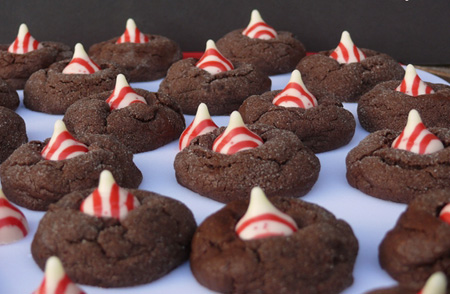
 My house has been exploding with cookies lately. It’s not a bad thing and I’m certainly not complaining. I love this time of year when baking takes priority over dinner. “Here kids, have a few cookies and a glass of milk, we’ll call it good for a meal.” Just kidding…sort of.
Anyway, dark chocolate and peppermint is a combination that can’t be denied. I love putting it together during the holidays, mostly just to torture myself. I can barely say no to this melding of flavors and it kills me having it around. But this combo is refreshing in a sweet kind of way. You know what I mean.
However, in all truth, I love these cookies. They have hunks of melty chocolate inside, with crunchy sugar on the outside. They are insanely good and I hope you try them. They do not disappoint.
What did we do before Hershey’s came out with all these totally cute looking kisses? Not every flavor is my favorite, but I do really like the candy cane rendition. And they are so pretty.
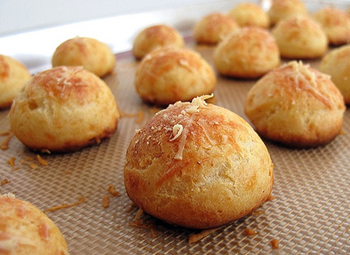 One of the simplest yet most rewarding pastry doughs in French cuisine is pâte à choux. Invented by an Italian chef who accompanied Catherine de' Medici to the French court on her marriage to the king, the recipe for pâte à choux has transformed many times over the centuries, but it now consists of milk or water, butter, flour, and eggs. The resulting multipurpose paste-like dough can be turned into many different treats, such as cream-filled profiteroles and eclairs, fried beignets, and gougères among many others. Gougères are the savory version made with cheese, traditionally gruyère. So it's simply a very French cheese puff that's light and airy-hollow on the inside and crisp and cheesy on the outside.
 I used to have a fear of doing things on my own. This included going shopping, going to the movies, and going to sporting events. Now walking into a coffee shop in Rome, at age 22, I am completely void of that fear, and I am as thankful as ever for overcoming it.
 The “old timers” in Maine always eat salmon and peas for their fourth of July family feast. This tradition was started a long time ago when salmon still came “up river to spawn” and people still rushed in the Spring to plant their peas so they would have the first peas of the year, hopefully by the 4th, if the weather was good. (I still have customers that plant their peas in the fall so they sprout when they are ready come Spring.)
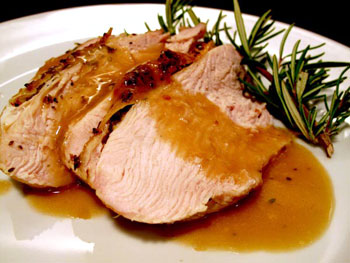 With Thanksgiving just around the corner, I thought it was time to
experiment with some turkey recipes. Some years I have a house full of
people and often cook two big birds, but other times it’s just a small
group and cooking a huge turkey just seems to be too time consuming.
With Thanksgiving just around the corner, I thought it was time to
experiment with some turkey recipes. Some years I have a house full of
people and often cook two big birds, but other times it’s just a small
group and cooking a huge turkey just seems to be too time consuming.