
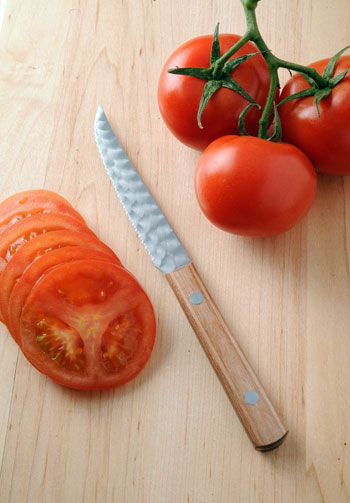
 I have always loved kitchen stores. Long before I knew how to use just about anything you could find at them, I could always be convinced to buy that one cool thing that savvy cooks couldn’t live without and once home, they lived pristinely in my kitchen, except for when I was in a relationship. I always seemed to pick men who were stellar cooks and they happily used my well-equipped kitchen.
I was the customer that cash register displays were conceived for. This was how I acquired my inexpensive tomato knife...an impulse buy in Williams Sonoma one day when there was a particularly long line. I couldn’t imagine why one would need a special knife just for tomatoes but one day I might. And for many years, I abused it and used it for everything I was not supposed to.
Eventually, during a drought in the relationship area of my life, I finally decided to learn how to cook. As I traveled from novice to competent to really good cook - I don’t think I will ever be considered “un cuisinier sérieux” - I rarely had to race to the kitchen store to pick up something I didn’t already have.
And while I now use almost every piece of equipment I acquired so long ago, the one that has become my favorite is my old friend, my tomato knife.
 I can’t remember a time when I didn’t have fresh garlic in my kitchen ready to smash, mince, chop or slice to use for culinary enjoyment. I’ve got cookbooks devoted to garlic and file folders bulging with recipes that include several bold, pungent cloves of the stinking rose.
 Sometimes it’s the tiny little things in life that bring the most joy.
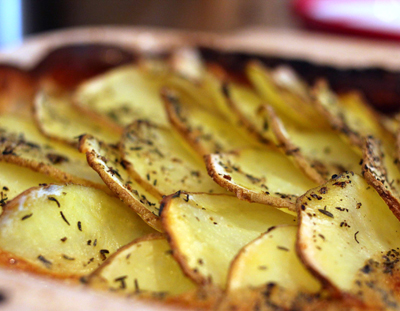 It feels like Week 19 of the heat wave. Seriously, ridiculous. It’s too hot to stay in and cook. Baking seems ludicrous. Even making a pot of chili in the afternoon (to serve later with grilled hot dogs or hamburgers) feels like too much – which reminded me of the Cuisinart. It sits on the counter every day and we rarely use it. Why did I forget about the Cuisinart?
 So folks are embracing “Meatless Mondays” – from L.A. Mayor Antonio Villaraigosa (maybe he’s also embracing meatless policies) to celebrity chef Mario Battali (who might consider some meal-less mondays – I know, I know, who am I to talk), but what about “Meatless Mostdays?” That’s what’s getting embraced around my house,