 I went to cooking school at the advanced age of 17 in 1973 in the bustling town of Newton Centre, Massachusetts. There wasn’t any question in my mind what my future held for me, I simply had to find the perfect place that would form it exactly as I had dreamt it would.
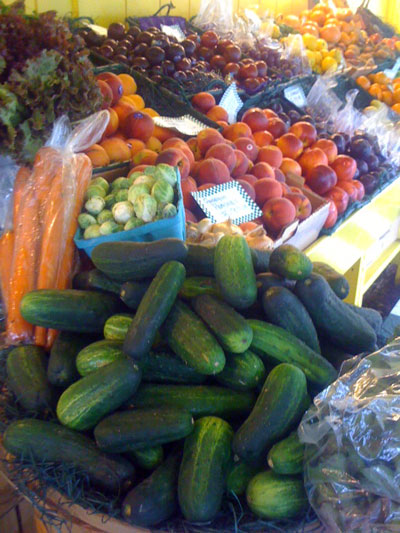
Newton Centre was an upscale, hip little suburb just a short distance from Boston. Affluent and hip enough to embrace a greengrocer called Blacker Brothers just as the ripples of the food revolution were beginning. Blacker Brothers was a Mecca for so many, long lines formed out the door every Saturday morning. Boxes of the most gorgeous and exotic produce lined the floor along a very long wall just waiting to be delivered in company vans. As boxes were loaded more took their vacant spots. It was “THE” place to shop long before Whole foods was on every block because they did it right.
Buying produce and putting together deals is what the two brothers and their father did each night as their customers’ house lights turned off. This store was so unique and full of jewels that Faschon in Paris was their only rival. The extensive selection of fruit was “ready to eat” and fragrant, that you could always count on. Fresh herbs were a new phenomena, yet they had them all, including chervil. Even if berries weren’t on my list I could never resist the sweet scent as I entered their store. Everything was hand chosen.
I could keep extolling the virtues of this store until my last breath. It was magic and made an impression that changed my future, or rather, my destiny.
 My father was a dyed-in-the-shorts Bermudian who loved to feast on all
things from under the sea. Shrimp, crab, oysters, mussels, fish of all
kinds, and lobsters. Five years of serving in the Canadian Army
overseas in Holland and France during World War ll chewing on K rations
in a trench didn’t diminish his early island jones for a crustacean or
almost anything seaworthy and edible.
My father was a dyed-in-the-shorts Bermudian who loved to feast on all
things from under the sea. Shrimp, crab, oysters, mussels, fish of all
kinds, and lobsters. Five years of serving in the Canadian Army
overseas in Holland and France during World War ll chewing on K rations
in a trench didn’t diminish his early island jones for a crustacean or
almost anything seaworthy and edible.

 .
.
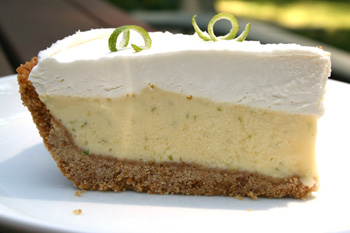 My son and daughter-in-law, Andy and Katie, and their sweet baby Claire were here for a few days. Andy and Katie enjoy being in the kitchen and appreciate good food. It seems nine-month-old Claire will soon be joining in on kitchen fun. There's no doubt she is turning into a little foodie. She sits in the Tripp Trapp chair (we've had it since our boys were little) at the table with us, gumming small chunks of cooked potatoes, avocadoes, sweet potatoes and peaches. Before long, she'll be wanting garlic mashed potatoes, fresh guacamole, sweet potato pie and peach salsa. And probably some of her mom's Frozen Lime Pie.
 cookbook, I was only mildly excited. I love lime and I know anything that comes from one of Ina's cookbooks has got to be delicious. I figured there was a chance I might like the frozen pie.
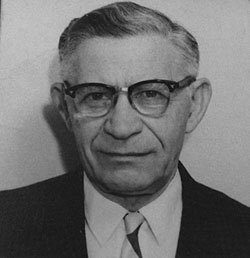 I associate mail order food with my father. When I was growing up, he
and I had very few connections. He took me to only one professional
football game. He never came to Back-to-School Night and had no
interest in any of my hobbies. I remember him as dour, not very
talkative and disapproving. I was part of his second family and he
was, I’m certain, just a bit too old to have a young kid running
around.
I associate mail order food with my father. When I was growing up, he
and I had very few connections. He took me to only one professional
football game. He never came to Back-to-School Night and had no
interest in any of my hobbies. I remember him as dour, not very
talkative and disapproving. I was part of his second family and he
was, I’m certain, just a bit too old to have a young kid running
around.