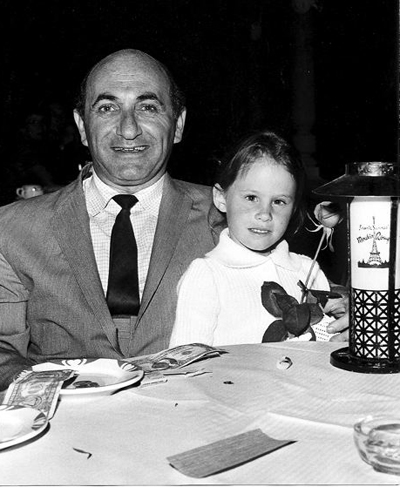
 Now that awards season is over I have a big one to give out.
Let me say at the start, I go to too many restaurants. I was basically raised eating in fancy restaurants. Long before other parents took their kids out to dinner, mine were trendsetters. We were taken everywhere. We were seen and heard. But, we ate our gourmet meals and behaved. Then it was straight home to a proper bedtime.
A friend’s mother, whom I hadn’t seen since I was a kid, recently told me that the first time she met my family, she had been eating with her husband at Villa Capri and spotted us, kids and all, dining at this almost exclusively grown-up place. What she noticed was how well behaved we were.
My parents rarely adhered to the unspoken rules of the 1950’s. They didn’t believe in babysitters. Aside from Villa Capri, we ate at Chasen’s, Scandia, Brown Derby, Moulin Rouge, and every Sunday night at Matteo’s. We even lived for a brief period at the Garden of Allah Hotel, though it was long after guests like Dorothy Parker, Robert Benchley and F. Scott Fitzgerald had checked out. Anyway, that’s a little of the backstory.
Would today’s Hollywood even exist without its bistros? Nobu, Palm, Mozza, Craft. The oil that lubes the wheels in this town is extra virgin olive oil, preferably for dipping the great bread into at Giorgio Baldi in Santa Monica Canyon. And no great restaurant would survive here or anywhere without those unsung heroes of fine dining – the bussing staff. Technically bussers. But usually referred to as “busboy,” an antiquated term it may be time to lose. Setting tables, clearing tables, cleaning tables, bringing food, you name it, quietly and efficiently. If the service is good, much of the credit goes to them. And that includes “busgirls.” In England the job is often referred to as a waiter’s assistant, a more dignified job description, if you ask me.

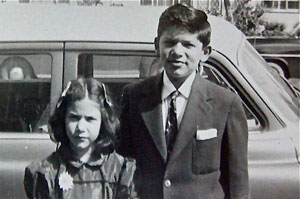 I keep connecting with an early childhood memory about summer days at the beach.
 Daddy was everything to us. He was a lot to many and my mother's
whole world. He moved from Los Angeles to a small southern town in
Georgia when he was 16 years old and met my mother shortly after. Mom
was 15 and the rest is history. He left us, very unexpectedly on an
early Spring night. Nothing could have prepared me for it. He was the
pied piper, the epitome of a fine man, the definition of love, all the
reason I turned out to be me. He was kind and gentle, inspired me every
day to see the good in people. He inspired the adventure in me. It's
why I grew up in a small southern town on a cotton and pecan farm and
have seen so much of the world that most folks will never see.
Daddy was everything to us. He was a lot to many and my mother's
whole world. He moved from Los Angeles to a small southern town in
Georgia when he was 16 years old and met my mother shortly after. Mom
was 15 and the rest is history. He left us, very unexpectedly on an
early Spring night. Nothing could have prepared me for it. He was the
pied piper, the epitome of a fine man, the definition of love, all the
reason I turned out to be me. He was kind and gentle, inspired me every
day to see the good in people. He inspired the adventure in me. It's
why I grew up in a small southern town on a cotton and pecan farm and
have seen so much of the world that most folks will never see.
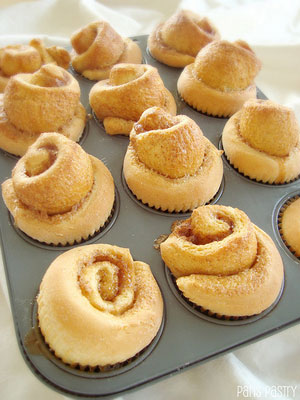 Whether you like FaceBook or not, it has its' merits. People and relatives are easier to find.
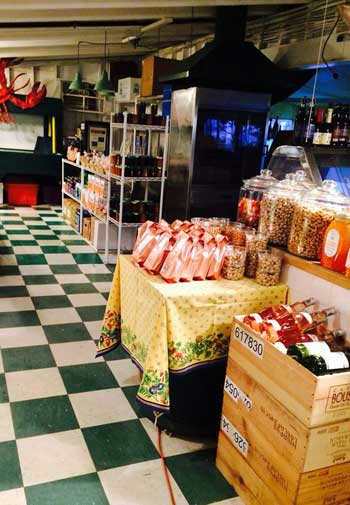 It was a cool, rainy fall day at our store in Maine many years ago. My sister was running errands and I was alone at our store. A well-waxed black truck pulled into the driveway and parked way too close to our building. I admit I was a bit nervous as I watched for the person or persons to get out from behind the blacked-out windows. The door opened slowly and a huge single foot appeared from under the door and slowly another emerged. The single occupant was the tallest and biggest person I had every seen in my life and he was headed for our front door. Tom was 6 feet, 8 inches and weighed around 600 pounds, seriously huge.