 Burgers, hot dogs, potato salad, cole slaw and fresh fruit salads are Memorial Day classics. I look forward to those favorites but to keep them interesting, it's good to add something new and a little unexpected.
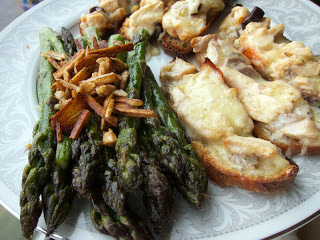
When I was growing up, asparagus was one of the fancy vegetables. Carrots, corn and broccoli were the everyday vegetables. Asparagus was saved for special occasions. These days asparagus is affordable, easy-to-prepare and versatile.
Right now asparagus is plentiful in farmers markets. Nutritious, delicious and loaded with healthy minerals, asparagus can be enjoyed raw or cooked, as a salad or a side dish to add zest to a backyard barbecue or afternoon lunch.
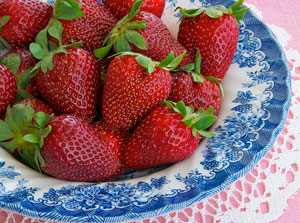 When my in-laws from Rhode Island were visiting recently, I mentioned that our strawberry season was coming to a close.
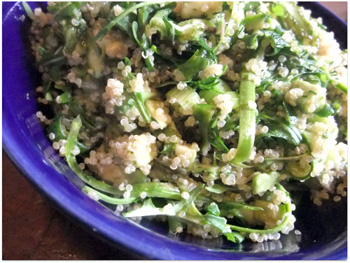 Ah, Spring! We are enjoying a warm spell right now and the fresh produce reflects the change of seasons with earthy root vegetables giving way to tender bright greens. I am so happy to have sunshine and bright green asparagus to eat!
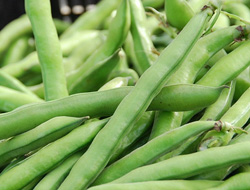 Finally, the wait is over! Fava beans are in season. They appeared for the first time last Sunday, and I couldn't be happier. I know how hard the wait has been on you too, but you can rest easy now. Well don't rest too easily. Fava beans have a depressingly short season--usually just 4-5 weeks in April-May.
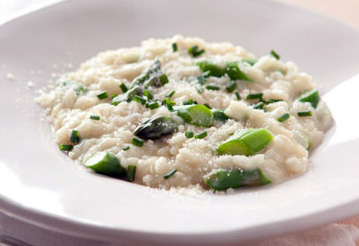 One day it's pouring rain and the next it's sunny and bright. Trees are already blooming with cherry blossoms, the delicate pink petals sometimes getting washed away in a sudden downpour. The hills all around the Bay Area are green and lush. And in the store you can find fresh strawberries, artichokes and asparagus.