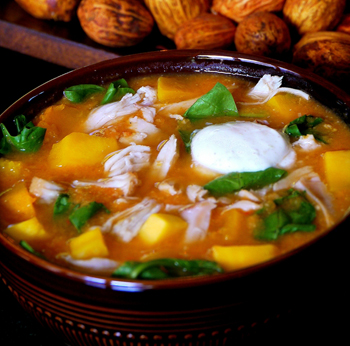
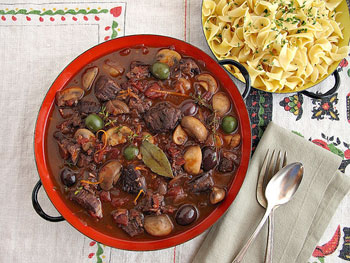
 What are chilly winter days without comfort foods to soothe our weary souls and hungry stomachs? One of the best examples of comfort food is the stew. In it's basic form, a stew is relatively inexpensive meat stewed with vegetables in flavorful liquid. It takes simple preparation to put together, then it's just a matter of waiting for it cook. But the most important part about a stew is that it be hearty enough to keep hunger at bay for a long time. Beef stew is the remedy! And who knows beef stew better than the French?
Boeuf Bourguignon, the dish made famous by Julia Child, is the best example of French country cuisine. An entire bottle of Burgundy separates this champion from the contenders. But each region has its own famous stew. Provençe has beef daube, a Mediterranean-style stew with bright flavors influenced by surrounding Italy and north Africa. This stew might not be as well known as beef Burgundy but it's amazing in it's own right.
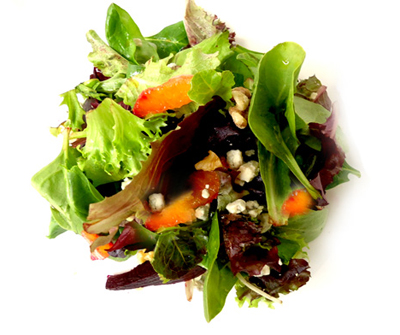 Homemade vinaigrettes just taste better and it's really worth the extra few minutes it takes to shake up a batch in jar.
 Turnips and parsnips are not a taste I grew up with. It kind of surprises me as I was exposed to all kinds of different foods, heavy with Eastern European influence (not that the turnip or parsnip originated from that part of the world). However, root vegetables were a staple in my childhood household, but I don’t remember turnips and parsnips being part of the repertoire.
 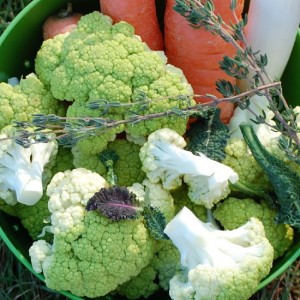 If it’s January, I must be cooking
  I ‘d always look forward to this time of year when I worked at North Dakota State University. One of my colleagues would bring a big slow-cooker full of her delicious Beer Cheese Soup. Up to that point in my life, the only Beer Cheese soup I had tasted was served at a Fargo restaurant. It was very thick, very cheesy and very goopy. In my opinion, too thick, too cheesy and too goopy.