 Not too many years ago I was standing in the produce department at a grocery store, gazing at a variety of pears. I was planning to make a special dessert that involved poaching pears. I’d never poached pears. I had no idea what kind of pear to use.
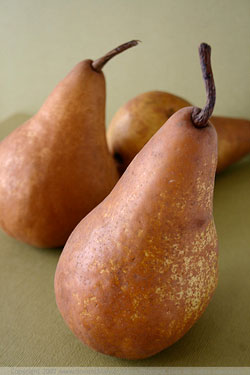
Lucky for me, the produce manager recommended Bosc pears for poaching. He explained that their flesh is firmer than most pears, so they tend to hold their shape well during the poaching process. His voice took on a note of passion as he described their wonderful flavor, “Like the best white wine you could ever taste,” he said. “That is what a ripe Bosc pear tastes like.”
The cinnamon-colored skin of the Bosc makes them stand out in a crowd of Anjou and Bartletts. Their elongated neck flowing down to a rounded bottom gives them a look of regal elegance. The produce manager helped me choose Bosc pears that were ripe, but still firm. I tasted one as soon as I got home. That man was absolutely right. The juicy pear was divine. That was the day I fell in love with the Bosc pear.
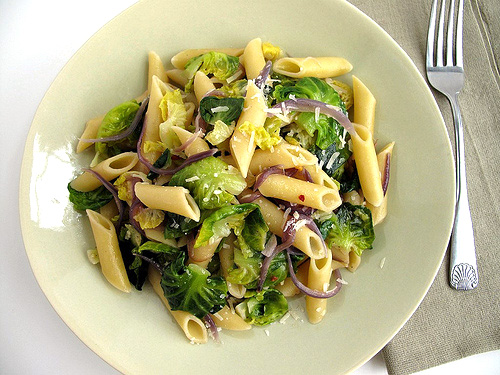 There's no other month that represents comfort food better than December. Right now it's all about soups, stews, roasts, and much more. But sometimes all that rich food is just too much to handle! (Thanksgiving was for me.) So when I crave something comforting that doesn't weigh me down, I turn to pasta.
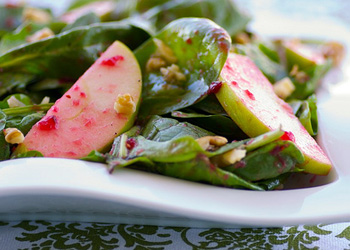 I received some bad news at the supermarket the other day. After going to three stores searching for fresh fennel bulb and not finding a single one, I asked a produce manager if he had any. He told me that fennel was going to be sparse this season because of frosts in California that damaged many crops.
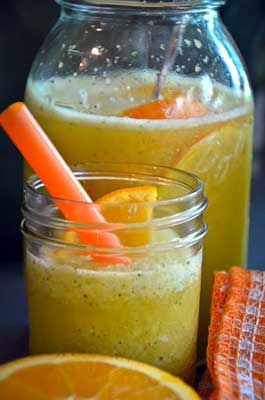 Some drinks are just good. Some drinks are good stories with provenance. Some drinks are all the above!
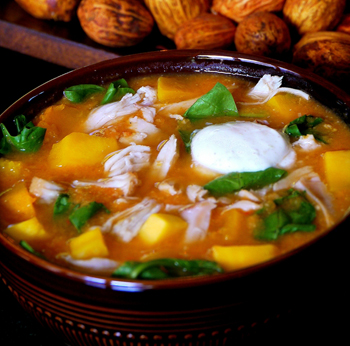
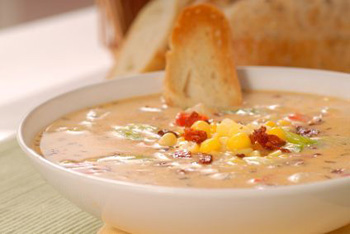 When you live in the Midwest, northern Minnesota to be more exact, where below-zero temperatures are no big deal, but just part of winter life, a hot bowl of hearty homemade soup is highly appreciated.